
A decision
The context sits with the team. The authority sits somewhere else.
Delivery systems for the AI era
Software delivery is the flow of information through an organisation. AI can speed up the typing. It cannot clear a decision queue, redraw a team boundary, or shorten the path to customer feedback.
The constraint moved. Faster output enters the same queues.
01 / The thesis
Most delivery time is not spent building. It is spent waiting to know something: what matters, who decides, whether the change is safe, or what the customer did next. When code arrives faster, those waits become easier to see—and more expensive to ignore.
02 / Where work waits
The context sits with the team. The authority sits somewhere else.
Each boundary adds a queue, a translation, and another chance to lose the thread.
More code reaches the same reviewers, test environments, and release gates.
The customer answer arrives too late to shape the next decision.
03 / Live cohort workshop
Change One Thing
A practical workshop for engineering and product people who can see what is wrong—and want to make one meaningful change without waiting for a reorganisation.
live sessions
weeks apart
real system to change
Trace one real piece of work from idea to customer. Separate active time from waiting time.
Map the loops that keep the delay in place—even when every team is working hard.
Examine ownership, dependencies, decision rights, and the cost of coordination.
Choose the constraint where a small intervention can change the whole path.
Design a reversible experiment and the conversation that gets it started.
The gap is the product
Between sessions, you measure one thing in your real team. You return with evidence, not homework theatre. No data export, no admin access—just your memory and a calendar.
04 / This is for you if
05 / Why Future Systems
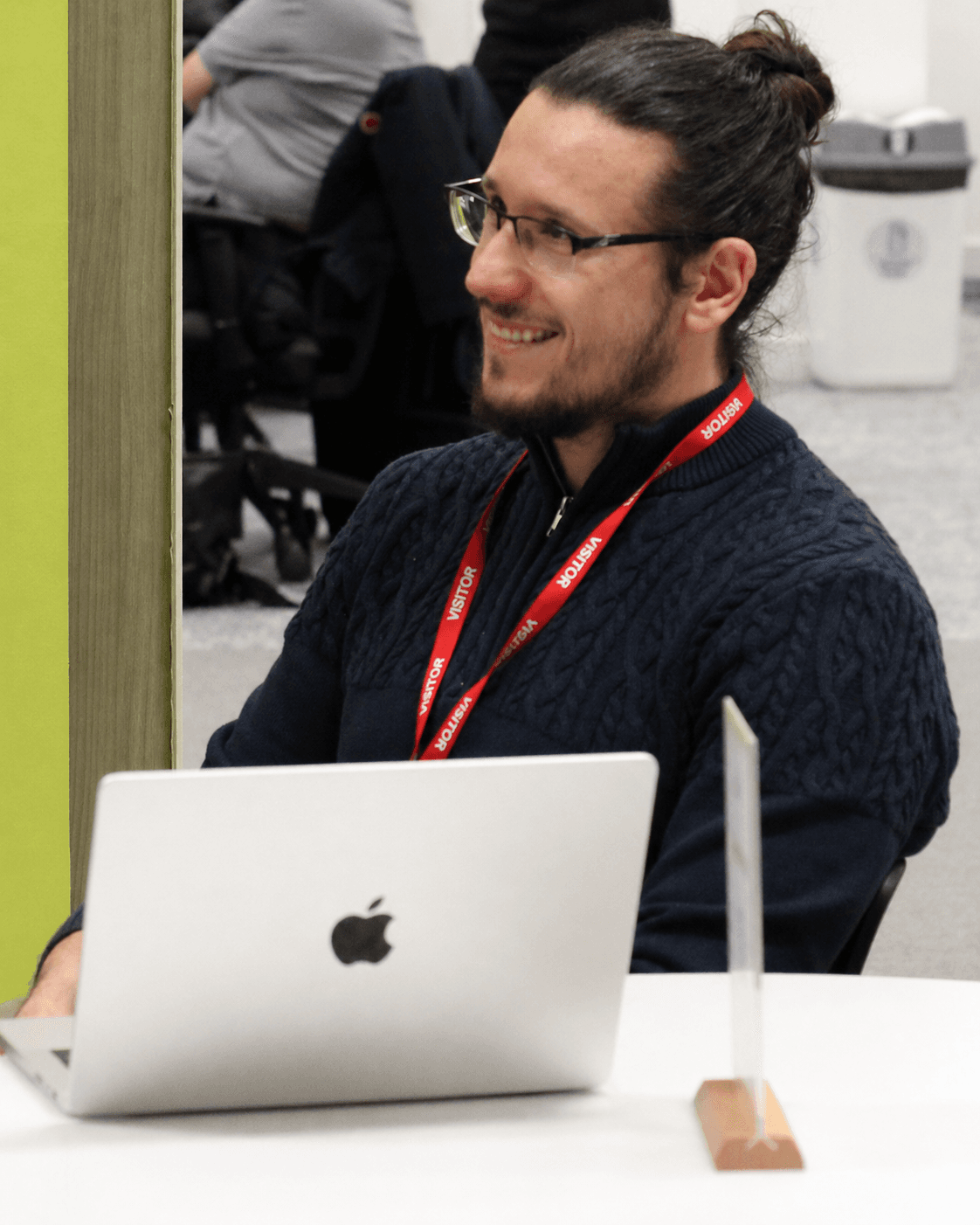
I’m Martin Zokov, a software engineer and systems thinker. Future Systems studies how software organisations actually move information, make decisions, and learn—then turns those patterns into tools people can use inside their own teams.
The workshop starts with your last real piece of work. Your numbers make the argument. The goal is not a perfect operating model; it is a clearer view of the system and one change small enough to begin.
06 / First cohort
Join the waitlist for dates, the programme outline, and first access when seats open. No invented countdown. No weekly sales sequence.